

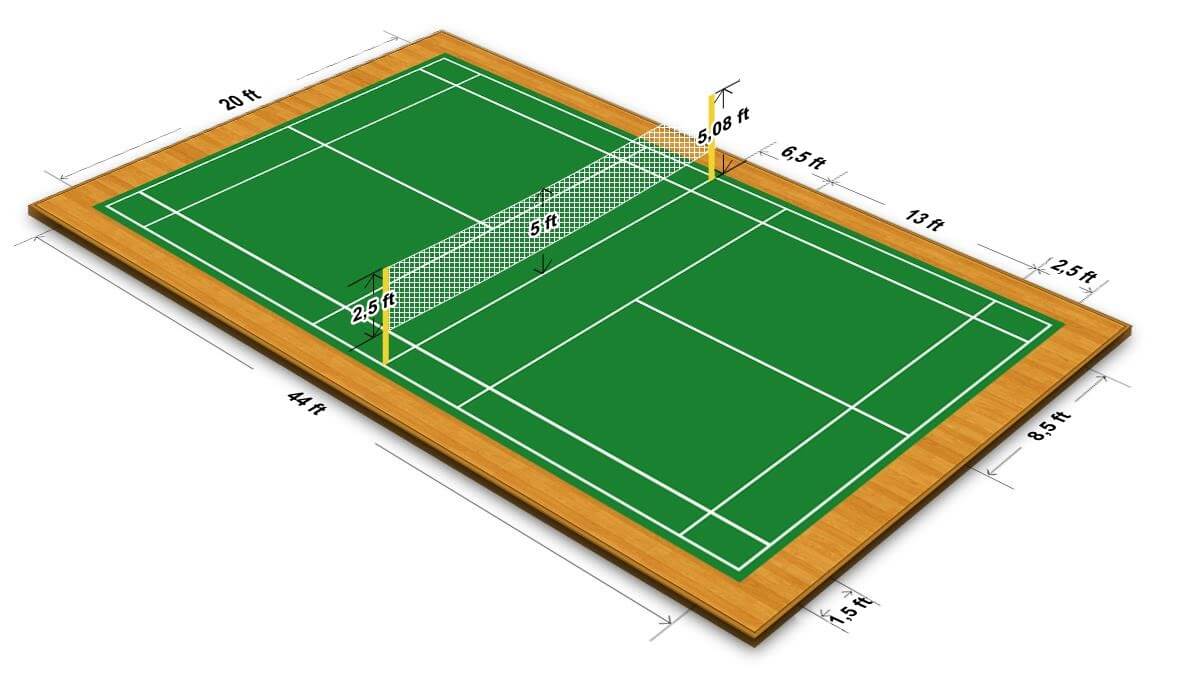
Badminton Court Measurement | Badminton Court Dimension In Feet | Badminton Court Size & Height
Overview
A badminton court is a rectangular area where the game of badminton is played. The game is popular worldwide and is played at both recreational and competitive levels. The court is divided into two halves by a net, and players use rackets to hit a shuttlecock over the net and into their opponent’s half of the court. The dimensions of a badminton court are standardized to ensure that the game is played fairly and consistently, regardless of where it is played. The court is typically made of wood or synthetic materials and has a smooth, even surface. The dimensions and layout of the court are carefully defined to provide a fair and challenging playing area for players of all levels.
The game of badminton is played with either two players (singles) or four players (doubles), and the court is designed to accommodate both versions of the game. The dimensions of the court are adjusted slightly for singles and doubles play, with the singles court being narrower than the doubles court. This adjustment is made to reflect the different strategies and playing styles used in each version of the game. Overall, the badminton court is a carefully designed and standardized playing area that provides a fun and challenging environment for players of all levels.
Official dimensions and measurements
The official dimensions and measurements of a badminton court are defined by the Badminton World Federation (BWF). According to the BWF, a badminton court has a length of 13.40 m (44 ft) and a width of 6.10 m (20 ft) for doubles play. For singles play, the width of the court is reduced to 5.18 m (17 ft). The net is positioned at the center of the court and stands at a height of 1.524 m (5 ft) at its center and 1.55 m at the posts. The short service line is located 1.98 m from the net, and the doubles long service line is 0.76 m from the back of the court. The lines on the court are 40 mm wide and are used to define the boundaries of the playing area.
The official dimensions and measurements of the court are important to ensure that the game is played fairly and consistently. The standardized court dimensions allow players to develop their skills and strategies in a consistent environment, which is essential for competitive play. The BWF’s official dimensions and measurements are used worldwide, providing a common framework for the game and allowing players to compete on a level playing field. By adhering to these standardized dimensions, players and tournament organizers can ensure that the game is played with fairness and integrity.
Equipment used
The equipment used in the game of badminton includes rackets, shuttlecocks, and nets. Badminton rackets are typically made of lightweight materials such as carbon fiber or aluminum and have a long handle and a teardrop-shaped head. The racket head is strung with strings that are designed to produce a high level of tension and responsiveness. Shuttlecocks, also known as birdies, are made of feathers or synthetic materials and have a distinctive cone-shaped design. The net is typically made of nylon or polyethylene and is suspended between two posts that stand at the center of the court.
In addition to rackets, shuttlecocks, and nets, players may also use other equipment such as comfortable clothing and shoes, as well as accessories like wristbands and sweatbands. The equipment used in badminton is designed to provide a high level of performance and durability, while also ensuring player safety and comfort. The BWF has established standards for the equipment used in competitive play, which helps to ensure that the game is played with fair and consistent conditions. By using standardized equipment, players can focus on developing their skills and strategies, rather than worrying about the equipment they are using.
How the game is played
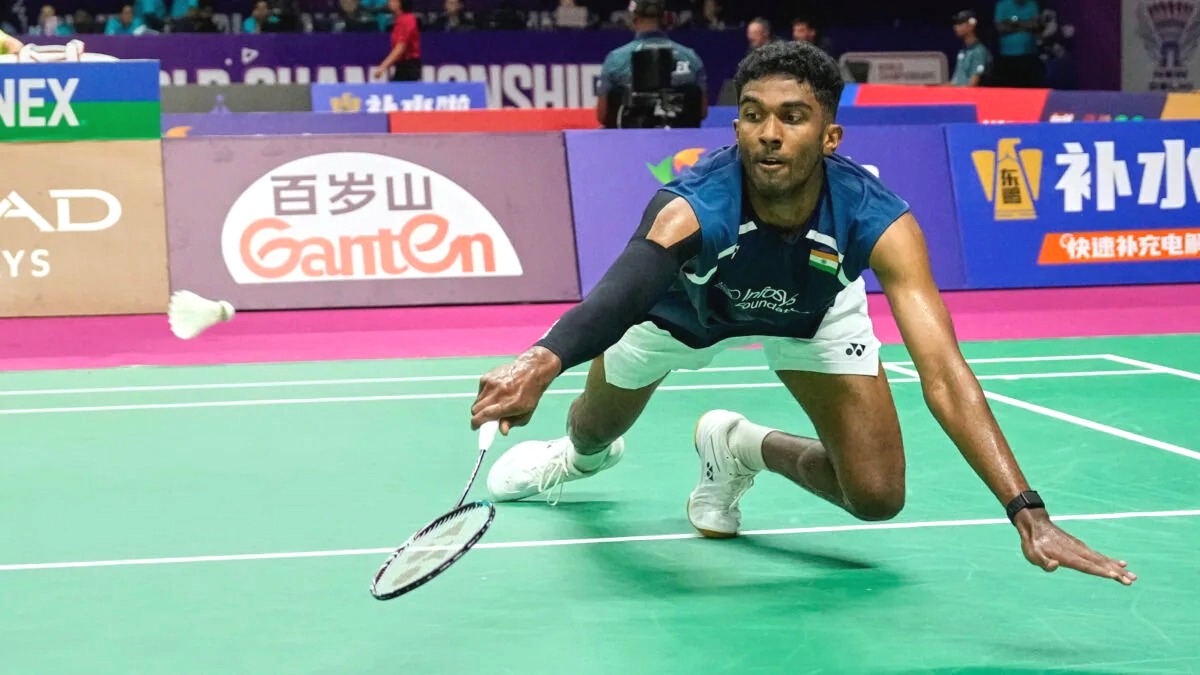
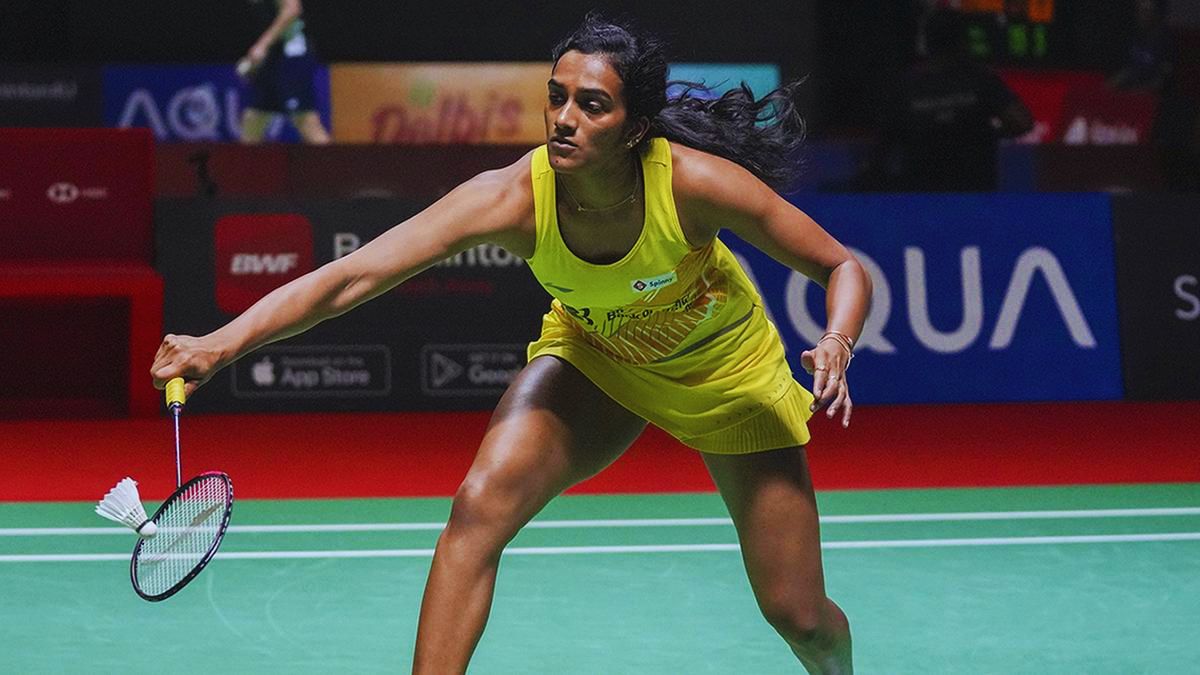
The game of badminton is played by hitting the shuttlecock over the net and into the opponent’s half of the court. Players use their rackets to hit the shuttlecock, which can be hit in a variety of ways, including forehand, backhand, and overhead shots. The game can be played with either two players (singles) or four players (doubles), and the objective is to hit the shuttlecock in such a way that the opponent is unable to return it. A game of badminton is typically played best two out of three sets, with each set played to 21 points.
Players can use a variety of shots and strategies to outmaneuver their opponents, including smashes, clears, and drops. The game requires a high level of speed, agility, and endurance, as well as good hand-eye coordination and reaction time. Players must also have a strong understanding of the game’s rules and tactics, as well as the ability to adapt to different playing conditions and opponents. The game of badminton is a fun and challenging way to improve physical fitness, develop social skills, and enjoy competitive play.
Scoring system
The scoring system used in badminton is based on a point-per-rally system, where a player or team scores a point when their opponent fails to return the shuttlecock to the other side of the court. A game of badminton is typically played best two out of three sets, with each set played to 21 points. If the score is tied at 20-20, play continues until one side leads by two points. The winner of a set is the first player or team to reach 21 points, unless the score is tied at 20-20, in which case play continues until one side leads by two points.
The scoring system used in badminton is designed to provide a fair and exciting way to determine the winner of a match. The point-per-rally system rewards players for their ability to hit winning shots and outmaneuver their opponents, while also providing opportunities for comebacks and upsets. The scoring system is easy to understand and follow, making it accessible to players and spectators of all levels. By providing a clear and consistent way to score points, the scoring system helps to ensure that the game is played with fair and competitive conditions.
Key rules and common fouls
There are several key rules and common fouls that players should be aware of when playing badminton. One of the most important rules is that the shuttlecock must be hit before it crosses the net, and players are not allowed to touch the net or reach over it to hit the shuttlecock. Players are also not allowed to obstruct their opponent or interfere with their ability to hit the shuttlecock. If a player commits a foul, such as hitting the shuttlecock into the net or out of bounds, their opponent is awarded a point.
Other common fouls in badminton include letting the shuttlecock bounce before hitting it, hitting the shuttlecock twice in a row, and touching the net or the opponent’s court with the racket or body. Players can also commit fouls by obstructing their opponent or interfering with their ability to hit the shuttlecock. The rules of badminton are designed to provide a fair and safe playing environment, and players are expected to follow them at all times. By understanding and following the rules, players can help to ensure that the game is played with sportsmanship and integrity.
Frequently asked questions
One of the most frequently asked questions about badminton is how to properly grip the racket. The grip should be firm but not too tight, with the thumb and index finger forming a “V” shape to provide control and stability. Another common question is how to hit a forehand shot, which involves using the front of the racket head to hit the shuttlecock in a smooth, sweeping motion.
Other frequently asked questions about badminton include how to serve, how to hit a backhand shot, and how to play at the net. The serve is an important part of the game, and players should aim to hit the shuttlecock in a way that makes it difficult for their opponent to return. The backhand shot is a bit more difficult to master than the forehand shot, but it can be an effective way to hit the shuttlecock with power and accuracy. Playing at the net requires quick reflexes and good hand-eye coordination, as well as the ability to anticipate and react to the opponent’s shots. By understanding the basics of badminton and practicing regularly, players can improve their skills and enjoy the game to its fullest.
Additionally, many people wonder about the history and origins of badminton, as well as the different types of shots and strategies used in the game. Badminton has a rich and fascinating history, dating back to ancient civilizations in Asia and Europe. The game has evolved over time, with the modern version emerging in England in the 18th century. Today, badminton is played and enjoyed by people all around the world, with a wide range of shots and strategies used to outmaneuver opponents and win matches. By learning more about the game and its history, players can deepen their appreciation and understanding of badminton, and enjoy the game even more.





Post a Comment
You must be logged in to post a comment.